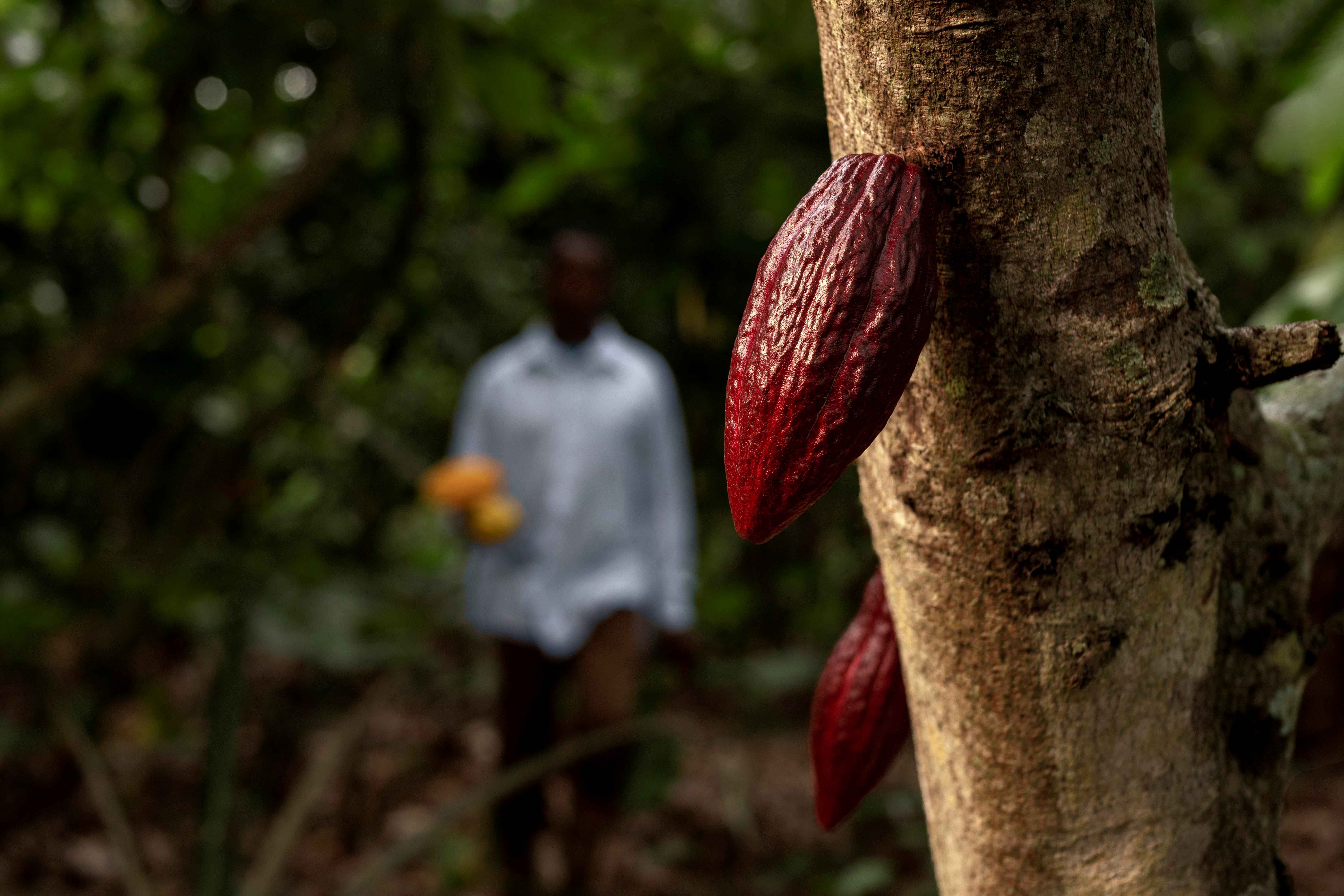
Cocoa continues to play a critical role in Ghana’s economy, but the growing spread of misinformation is posing a serious threat to productivity and sustainable farming practices.
A study conducted in the Jukwa Cocoa District of the Central Region, involving 390 farmers, found that nearly half (45.5%) had acted on inaccurate information.
This has affected key farming practices such as pruning, fertilizer application, pricing, and pest control, resulting in reduced yields, financial losses, and potential health risks.
The study, led by Dr. Enoch Kwame Tham-Agyekum of the College of Agriculture and Natural Resources, highlights how misinformation continues to shape farmers’ decisions across the cocoa value chain.
While farmers rely on multiple information sources, extension officers remain the most trusted. However, their limited reach reduces their effectiveness in curbing misinformation.
Instead, peer networks, cooperatives, and mass media platforms, particularly radio and television, remain the main channels through which false information spreads.
The study also revealed that exposure to radio, television, community information centres, and social media increases farmers’ vulnerability to misinformation, pointing to weak content verification systems across these platforms.
Despite these challenges, community information centres and expert-led digital platforms show strong potential for delivering credible and verified information when properly managed.
The study recommends strengthening extension services, expanding their digital presence, and leveraging tools such as WhatsApp and trained “Lead Farmers” to disseminate accurate information.
It also calls for targeted awareness campaigns to correct common misconceptions and promote media literacy among farmers, encouraging a culture of “verify before you apply.”
The study was published in the Journal of Agricultural and Food Information.
Nearly half of cocoa farmers act on false advice – CANR Study
News
Research
| Published: 13th April 2026
Share



Comments