Freshwater bodies are essential to human survival and environmental sustainability.
However, increasing human activities such as mining, industrialisation, agriculture and urbanisation continue to pollute these ecosystems with toxic heavy metals.
To address this, a study involving the College of Agriculture and Natural Resources examined mercury, cadmium and arsenic contamination in water, sediments, finfish and shellfish in the Tano River in Ghana’s Western North Region.
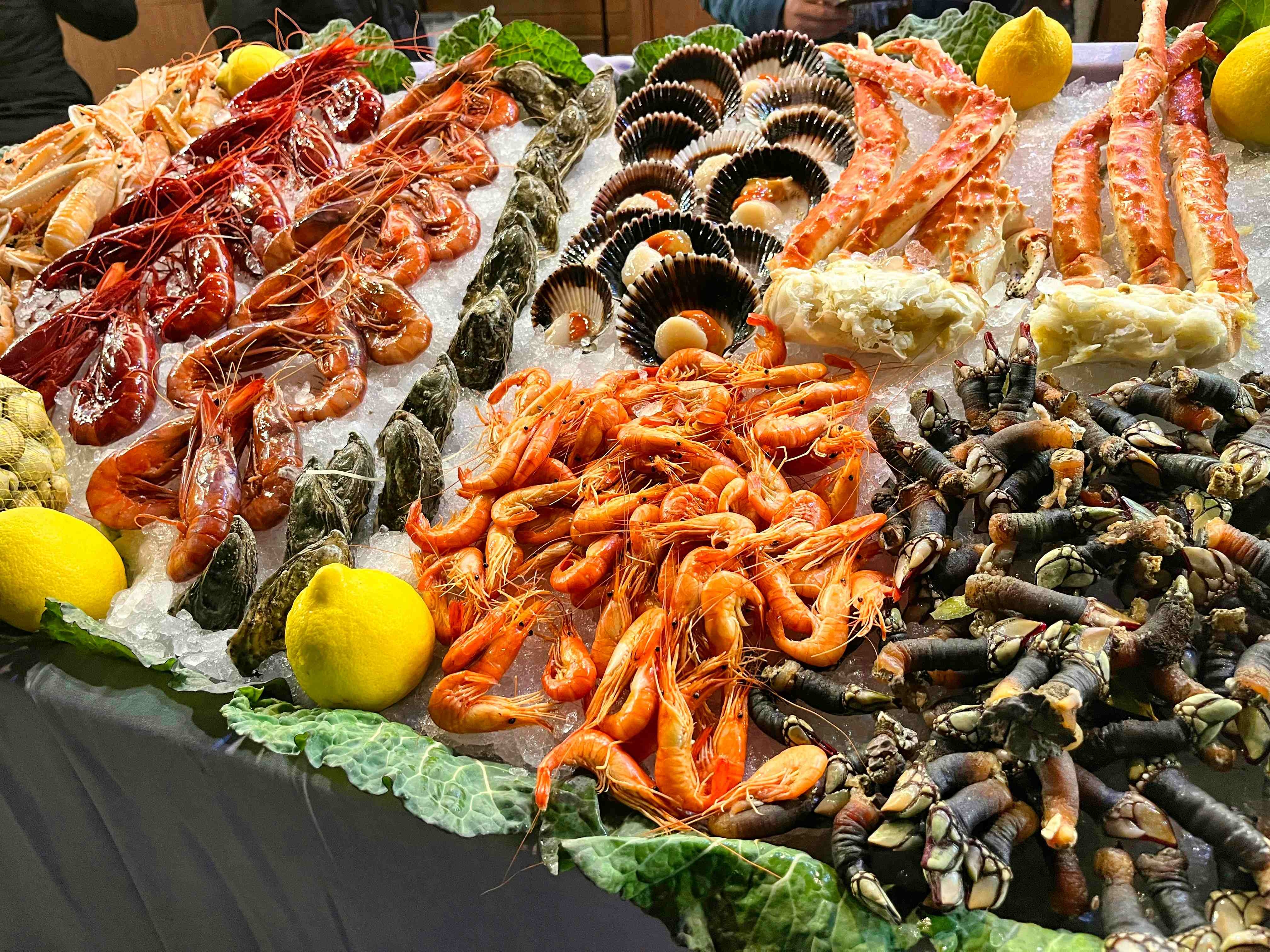
Researchers analysed 48 fish and shellfish samples across 12 species, alongside 27 paired water and sediment samples.
The findings showed increasing contamination from water to sediment, shellfish and finfish, with cadmium and mercury levels in water exceeding WHO and USEPA safety limits.
Although estimated daily intake and target hazard quotient values indicated low immediate health risks for adults, cadmium and arsenic exceeded carcinogenic safety thresholds, suggesting possible long-term cancer risks for frequent consumers.
Arsenic recorded the highest bioaccumulation in aquatic organisms, while fish species such as Clarias gariepinus and Gnathonemus petersii exhibited poor health, indicating ecological stress within the river system.
The researchers, including Prof. Kwasi Adu Obirikorang, noted that although heavy metal levels in sediments and aquatic organisms were mostly within acceptable limits, elevated concentrations in water remain a major environmental and public health concern.
They therefore stressed the need for continuous monitoring of heavy metal concentrations in the Tano River to track pollution trends and support timely interventions.
The study also recommended stricter regulations of mining, agriculture and other human activities contributing to pollution within the river basin.
The findings were published in Aquaculture Research.
CANR study links Tano River pollution to potential cancer risks
News
Research
| Published: 14th May 2026
Share


Comments