
The Climate-Smart Cocoa Agroforestry Research in Ghana (CLIMCARG) project has organised a Training of Trainers (ToT) workshop on toolkits developed from research findings on climate-smart cocoa agroforestry practices.
The initiative represents a significant step toward equipping farmers with practical knowledge to adopt climate-resilient strategies and safeguard their livelihoods amid changing climatic conditions.
The workshop brought together extension officers, lead farmers and other stakeholders to build their capacity to effectively transfer knowledge and promote the adoption of climate-smart practices at the community level.

The Principal Investigator, Prof. Victor Rex Barnes, said the training is aimed at translating nearly seven years of research into actionable solutions for farmers.
“We are training farmers so they can better understand the findings from the research we have conducted over the past seven years. This will enable them to position their cocoa farms to withstand the effects of climate change,” he explained.
He noted that rising temperatures and erratic rainfall patterns are already affecting cocoa production.
“Because of excessive heat during prolonged dry spells and increasingly unpredictable rainfall, cocoa farming has become more challenging. At this time of the year, we would typically expect consistent rainfall, but that is no longer the case. Instead, we are witnessing unusual weather patterns, with rainfall occurring during periods that were previously dry seasons,” he said.
“With the knowledge gained from this research, farmers can implement measures to manage their cocoa farms under climate stress. Once farms are protected from climate impacts, yields and farmers’ incomes will rise, boosting cocoa exports and economic growth,” he added.
The chairperson of the session, Dr. Daniel Dompreh, highlighted the importance of sustainable farming inputs and environmental conservation.

“Through this project, cocoa farmers have been trained to convert cocoa husks into organic fertiliser. This reduces their reliance on imported inorganic fertilisers, saving cost and time, while also protecting the environment,” he said.
He stressed that climate change remains an ongoing challenge that requires proactive adaptation. He further noted that factors such as fruiting patterns, phenology, and farm temperature regulation are critical to improving cocoa productivity under changing climatic conditions.
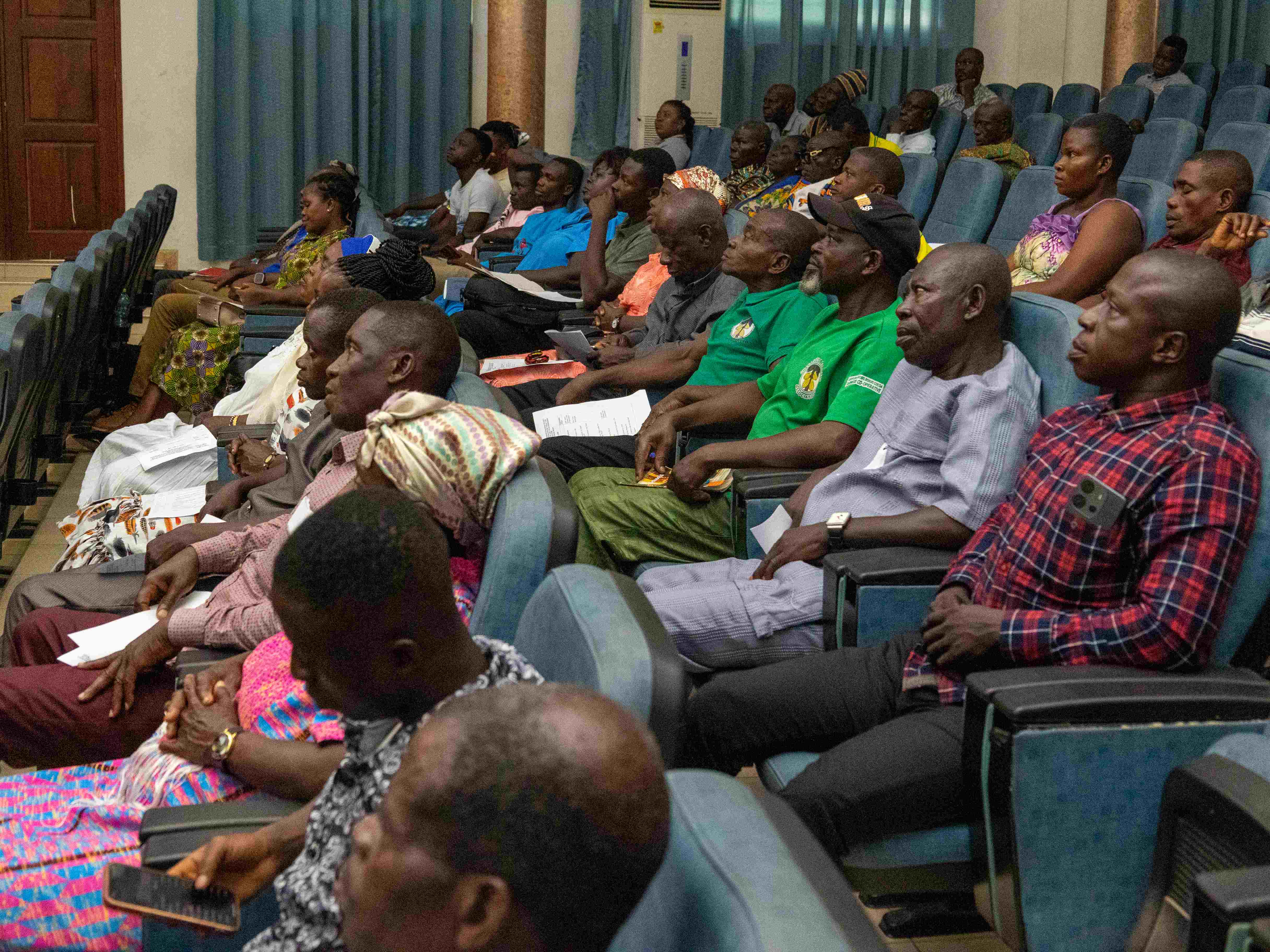
Participants at the workshop shared experiences, highlighting how the research interventions have positively impacted their farming practices and improved productivity.
Joseph Kusi, the District Cocoa Officer for Offinso, described the project as timely and transformative.
“When this climate-smart agriculture programme was introduced, it directly addressed the challenges posed by climate change in cocoa production. Offinso, being in a transitional zone, was severely affected. This intervention has brought significant relief to farmers, and we have seen considerable improvements. We now have data showing that yield trends are improving,” he noted.
“I would encourage farmers to plant economic shade trees such as Odum and Emera when establishing their cocoa farms. Integrating these trees will help reduce heat stress and improve overall farm conditions,” he added.
Participants were also taken through practical sessions on how to effectively use the toolkit to implement climate-smart practices on their farms.
The workshop was facilitated by Prof. (Mrs.) Olivia Agbenyega, Dr. Joseph Anokye, and Dr. John Tennyson Afele.
The project is funded by the Danish Ministry of Foreign Affairs through the DANIDA Fellowship Centre.


Comments