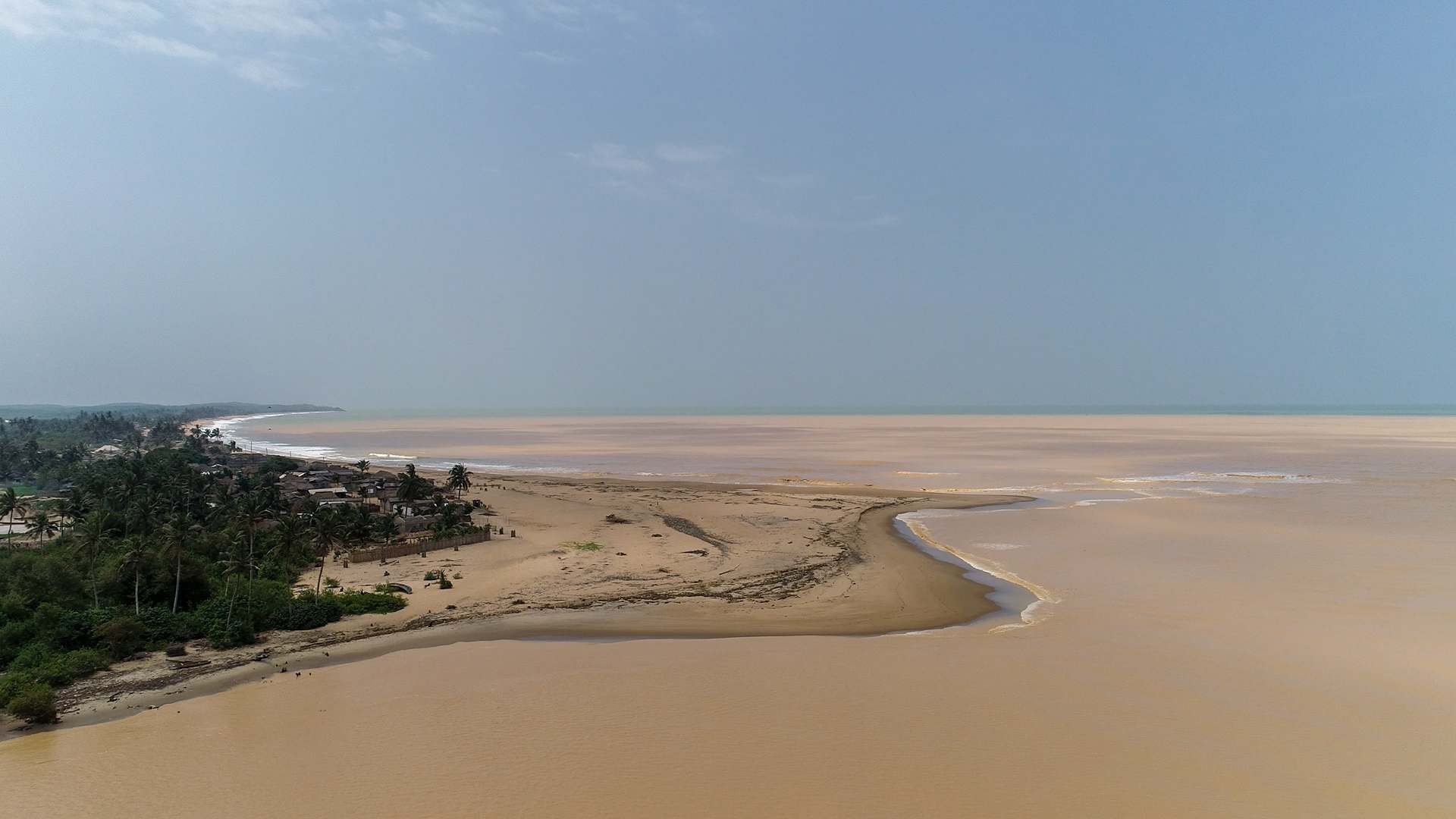
A study conducted by researchers at the College of Agriculture and Natural Resources (CANR), has identified parts of the Pra River Basin that are highly vulnerable to environmental degradation.
The Pra River Basin is a major source of ecological, cultural, and economic benefits in Ghana.
However, increasing human activities and logistical challenges have hindered the effective implementation of Integrated Water Resources Management within the basin.
Using a Geographic Information Systems (GIS)-based ecohydrological risk model, the researchers divided the basin into 25 ecohydrological units and assessed seven major drivers of degradation.
These included artisanal small-scale gold mining, population density, vegetation loss, agricultural activities, and encroachment on waterways.
Of the 25 ecohydrological units delineated, the Buama, Lower Offin, Ayensu, and Oda ecohydrological units were found to face the highest risk of degradation due to intense mining activities, high population density, reduced forest cover, and human encroachment along rivers and streams.
According to the researchers, assessing the basin through smaller ecohydrological units made it possible to identify areas at high risk of degradation that may have been overlooked if the basin had been examined.
The study also highlighted the growing threat posed by mining, farming, and settlement expansion near water bodies, particularly within the Birim sub-basin.
The researchers further emphasised the need for sustainable land-use practices and stronger environmental management measures to protect water resources and promote sustainable development within the Pra River Basin.
The study was led by Dr. George Ashiagbor and published in the International Journal of River Basin Management.
Study identifies degradation hotspots in Pra River Basin
News
Research
| Published: 8th May 2026
Share


Comments