
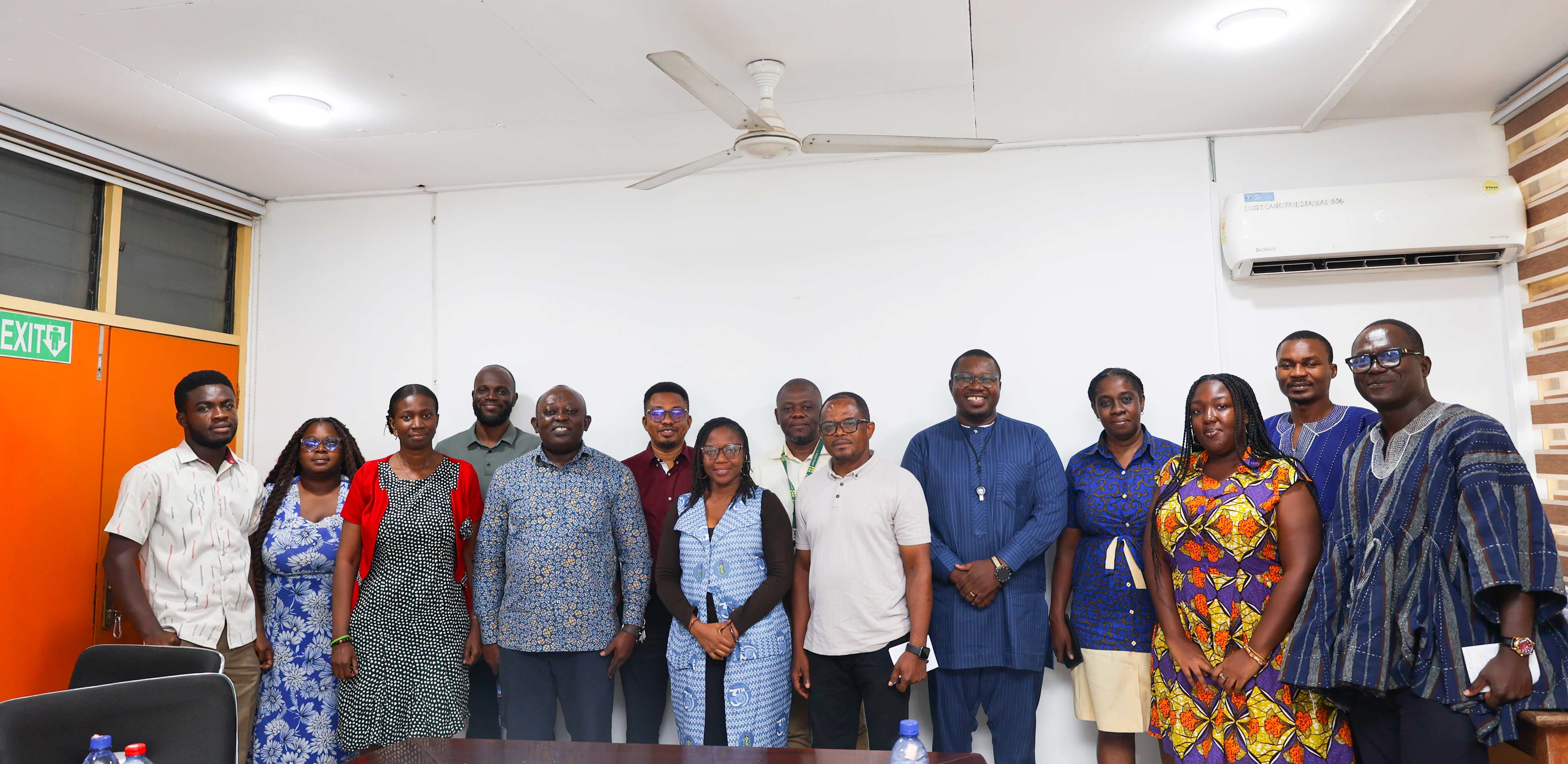
Ashanti Regional Chairman of the Ghana Journalists Association (GJA), Mr. Kofi Adu Domfeh, has urged closer collaboration between the media and researchers to advance sustainable development.
Speaking at the Faculty of Renewable Natural Resources (FRNR) Seminar Series, at the College of Agriculture and Natural Resources, KNUST, he said effective collaboration between both actors is critical to ensuring that research outputs are translated into knowledge that can inform public decision-making and action.
He further called for stronger collaboration between researchers and journalists to ensure scientific findings are communicated in ways that are accessible to the public.
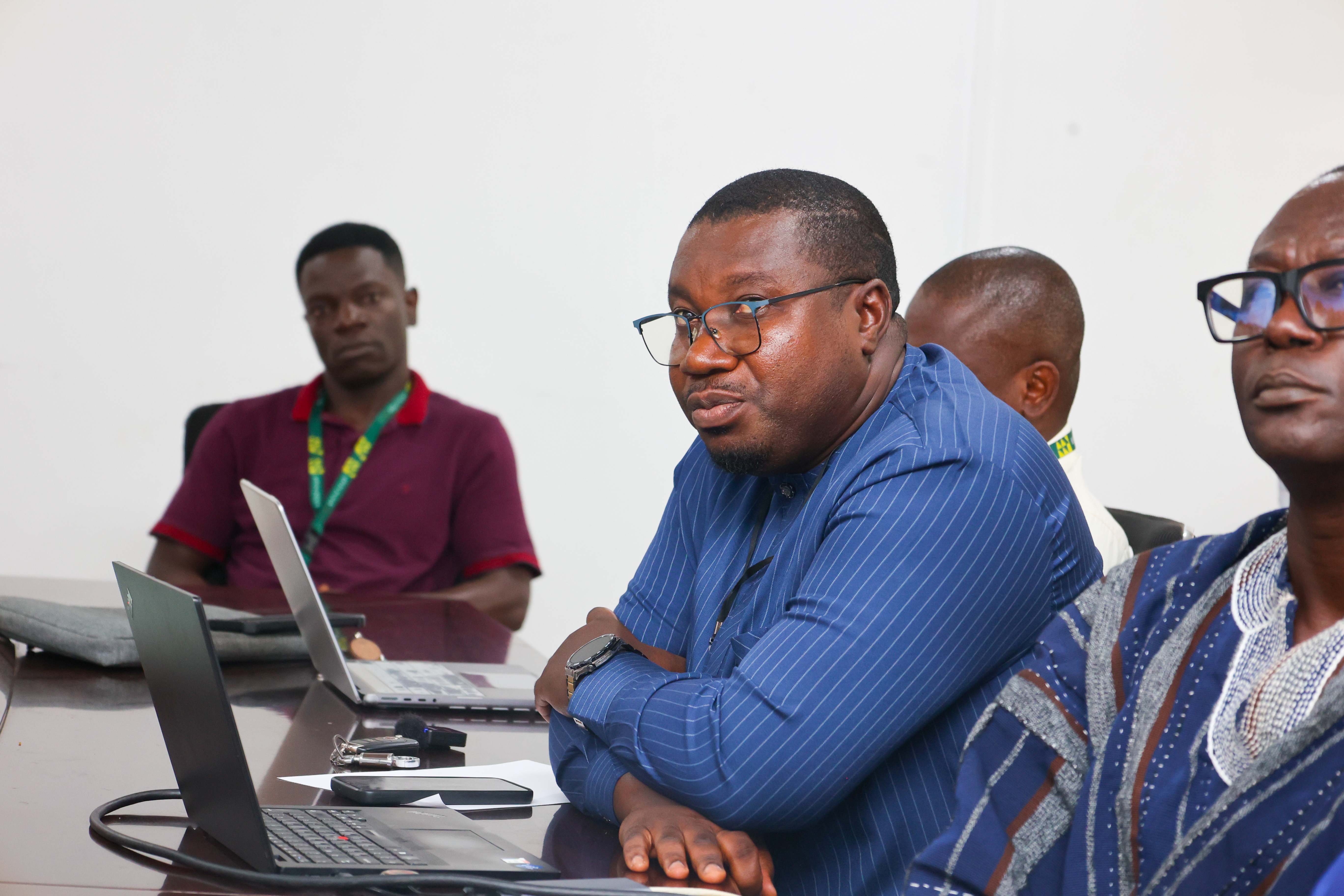
“One of the cardinal challenges we’ve had is how we communicate research activities for the ordinary person to appreciate what researchers usually put on the shelves,” he said.
Mr. Domfeh noted that climate change, coupled with the unsustainable exploitation of natural resources, continues to threaten livelihoods and ecosystems.
He explained that shifting weather patterns are already affecting agriculture, health and infrastructure, making climate action increasingly urgent.
“Every facet of life is one way or the other affected by climate change. If you drive around Oforikrom, you realise that anytime they try to resurface the road, the bitumen seems to wear off again within a couple of days. These are the realities,” he stressed.
Mr. Domfeh also expressed concern about environmental challenges such as plastic pollution, electronic waste and illegal mining, cautioning that the pursuit of wealth without environmental responsibility is undermining sustainability efforts.
“People are really amassing wealth without recourse to how whatever they are making directly or indirectly impacts our biosphere and our very essence of living,” he said.
He described illegal mining as one of Ghana’s most pressing environmental threats, noting that it continues to destroy water bodies, forests and farmlands while threatening community livelihoods.
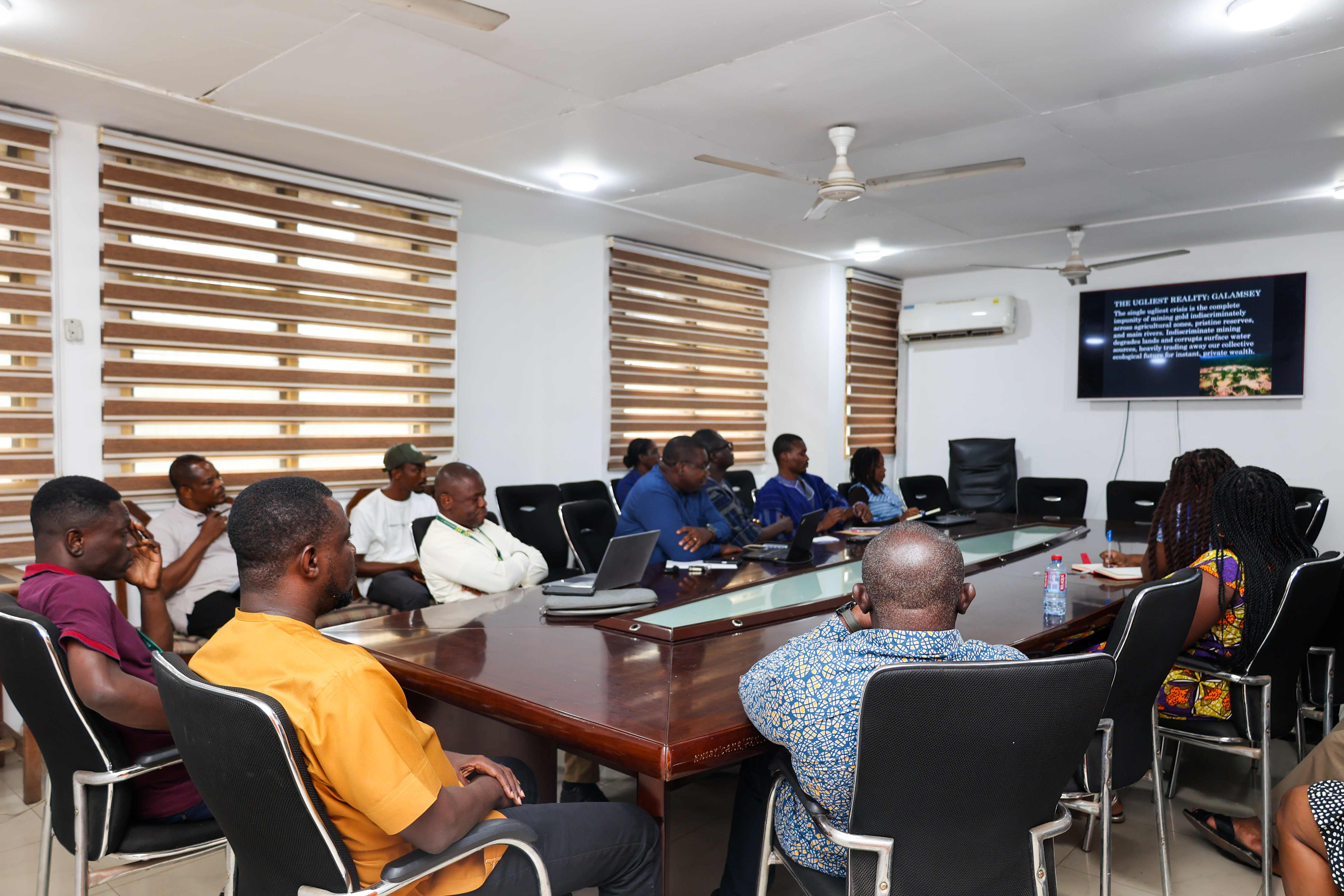
“There is no day that we don’t have reports about the adverse impacts of illegal mining and how our water bodies and forest reserves are being adversely hit by people who want to amass private wealth at the expense of our ecological future,” he stated.
He acknowledged ongoing efforts by young people, civil society organisations and businesses in promoting conservation, renewable energy and recycling initiatives but maintained that the media remains central to driving environmental awareness and action.
According to him, journalists have a responsibility to educate the public, simplify scientific information and keep environmental issues at the centre of national discourse.
“The media cannot overlook the fact that we have a critical role to play because, if for nothing at all, the media is also part of the ecosystem,” he said. “We have to transform environmental issues into active action for sustainability.”
The seminar featured engaging discussions, with faculty members contributing questions and insights on the role of the media in sustainability communication.


Comments