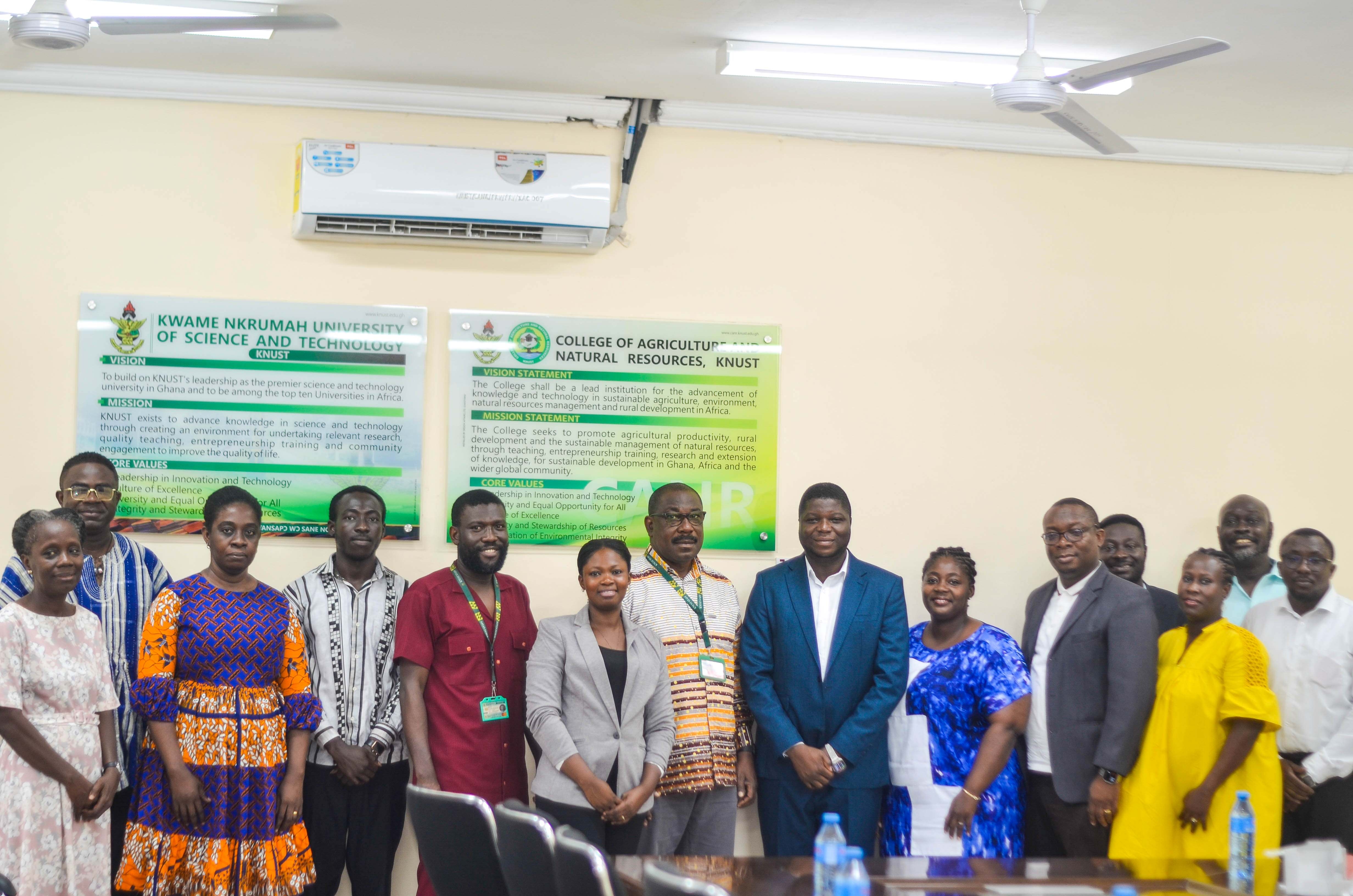
The College of Agriculture and Natural Resources (CANR) has begun discussions with the DIPPER Lab to explore collaborative opportunities in agricultural research, technology validation and innovation.
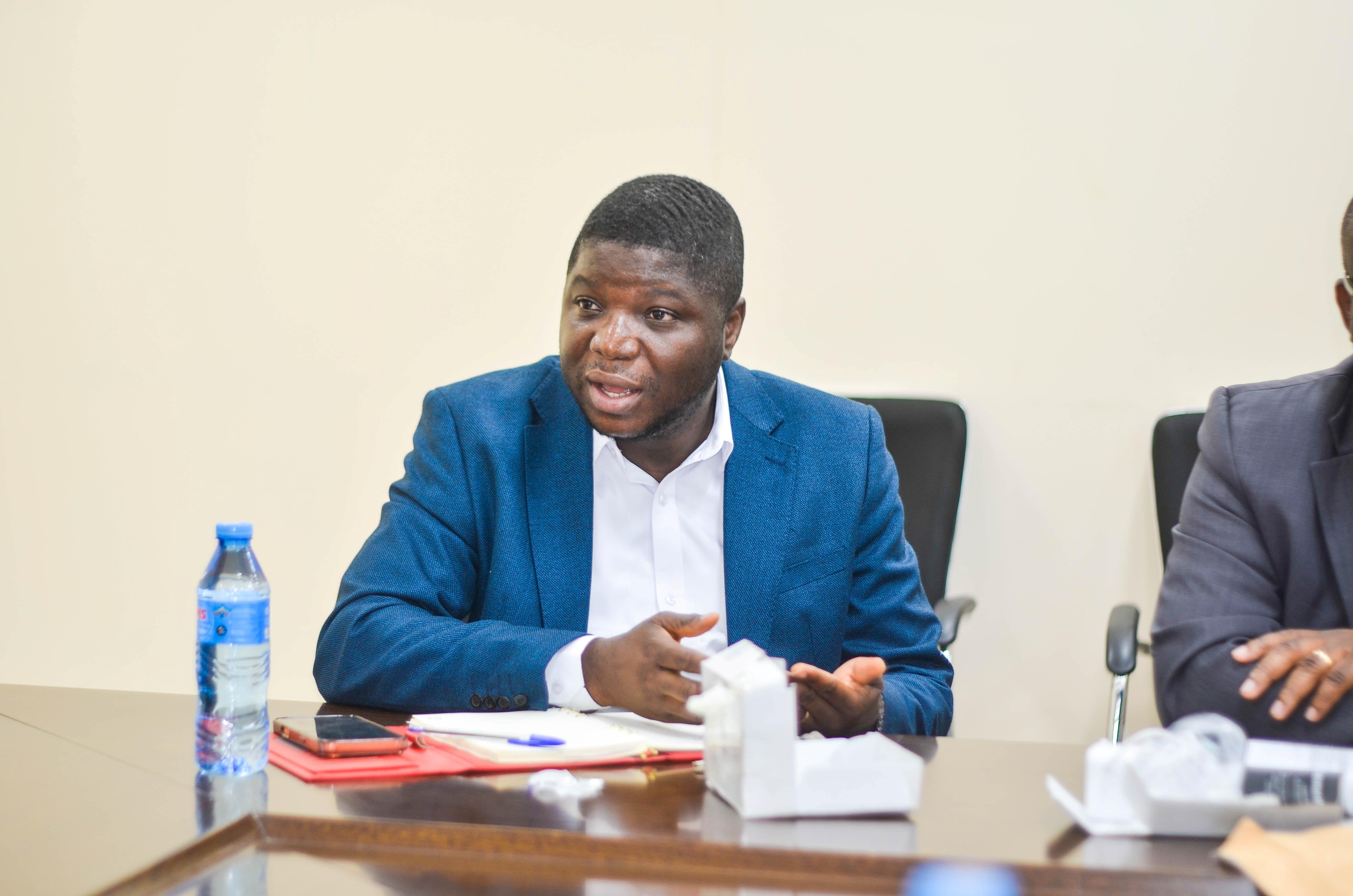
The engagement brought together a delegation from the DIPPER Lab, led by its Scientific Director and Head of the Department of Computer Engineering, Prof. Eric Tutu Tchao, and the Provost of CANR, Prof. Dadson Awunyo-Vitor, along with faculty members of the college.
The DIPPER Lab team showcased several technologies developed by the laboratory, including GalamSense, SmartNitro, FarmSense and the Smart Indigenous Weather App (SIWA), all aimed at supporting data-driven and technology-enabled agricultural practices.
The team underscored the importance of field-testing opportunities to evaluate the effectiveness of these innovations under real farming conditions.
The discussions also focused on opportunities for joint research, publications and knowledge exchange in areas such as smart agriculture, soil monitoring, AI-powered analytics and precision farming.
Welcoming the initiative, Provost of CANR, Prof. Dadson Awunyo-Vitor, expressed the college’s commitment to supporting the partnership.
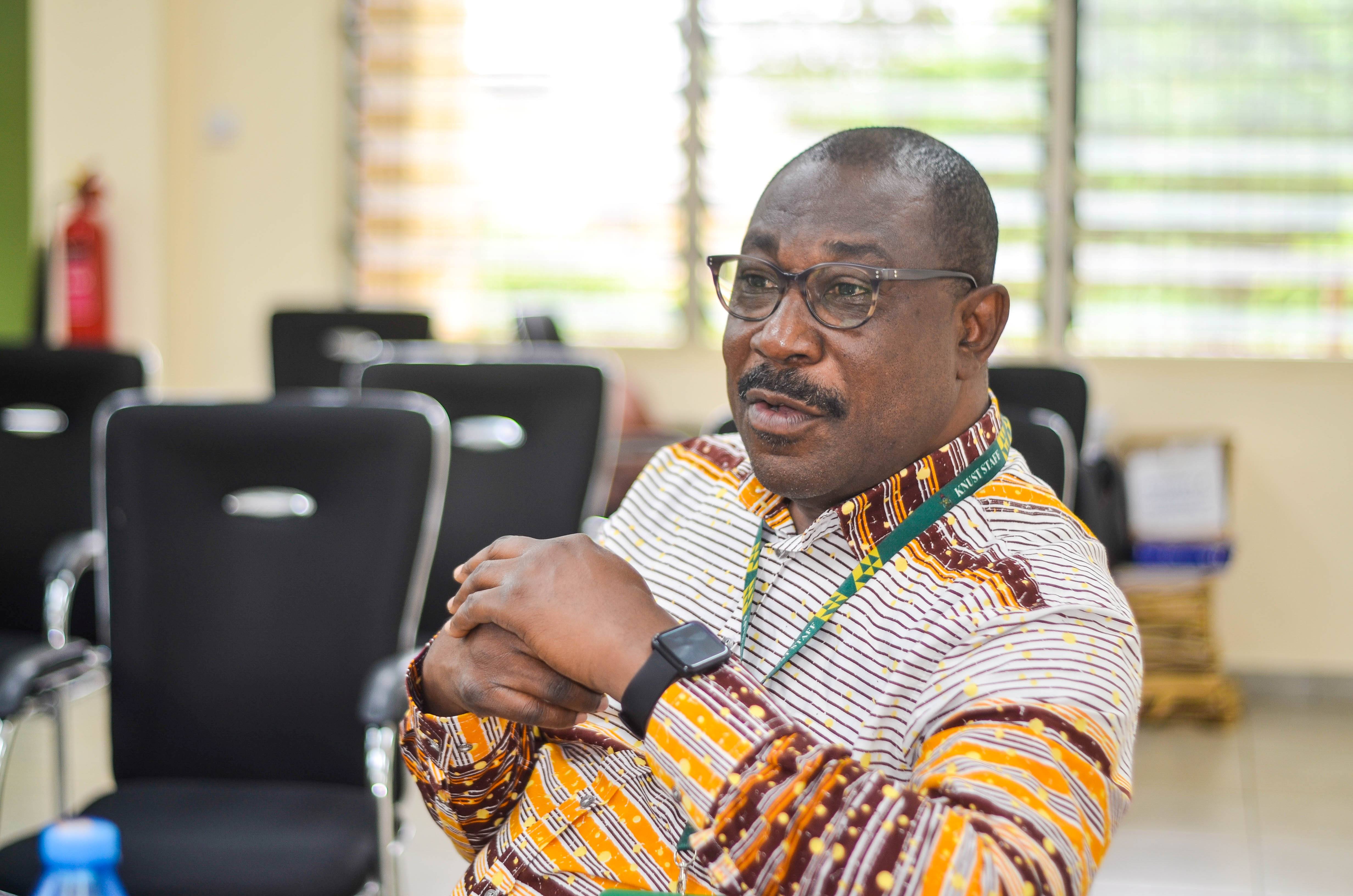
“I am so grateful that you're here. We're also willing to support you,” he said.
He added that the college would continue discussions with the laboratory to identify priority areas of collaboration and outline a roadmap for implementation.
The proposed partnership aligns with CANR’s commitment to promoting innovation and interdisciplinary research while supporting the development of practical solutions to address challenges in agriculture and food systems.
The meeting forms part of broader efforts to strengthen collaboration across KNUST and accelerate the application of technology to improve agricultural productivity and sustainability.


Comments