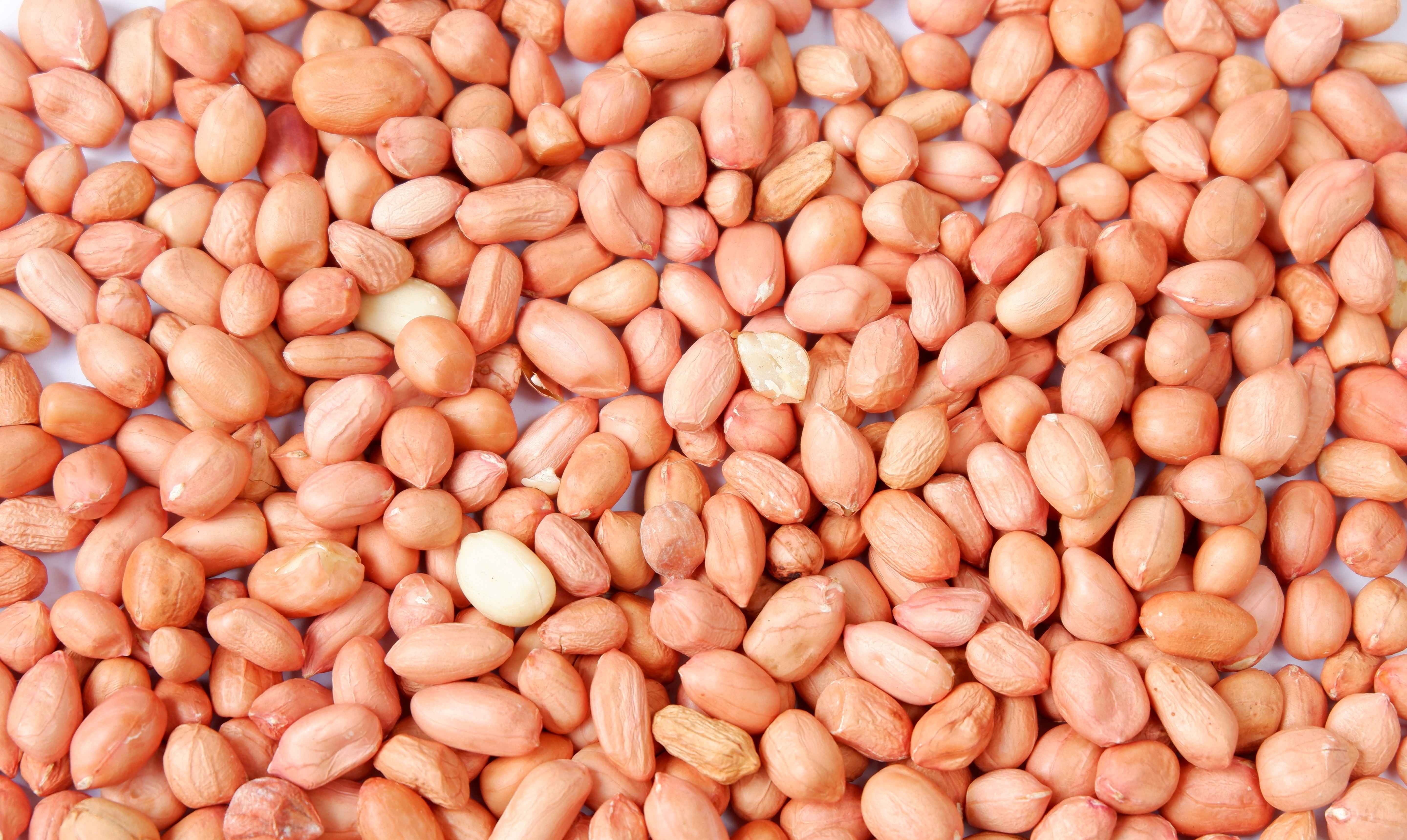
Groundnut (peanut) is one of the most nutritious legumes, providing essential proteins, healthy fats, vitamins, and minerals critical for good health.
Despite the active involvement of many women in northern Ghana in the production and processing of nutrient-rich foods such as groundnut, undernutrition among women of reproductive age in the region remains alarmingly high, according to the Ghana Demographic and Health Survey (GDHS).
Researchers attribute this situation largely to inadequate processing infrastructure and limited opportunities for value addition, which affect both food quality and dietary intake.
In response, a study conducted by the College of Agriculture and Natural Resources examined how access to groundnut processing facilities influences household and women’s dietary diversity in northern Ghana.
The study collected data from 829 women involved in the groundnut value chain across 21 communities in four regions in northern Ghana.
Findings from the research, reveal that access to processing infrastructure, such as mechanised shelling, roasting, and grinding machines, is limited.
Published in the journal Scientific African, the study further shows that access to nutritious diets remains poor, with only 45.2% of women of reproductive age meeting the minimum dietary diversity required for adequate micronutrient intake.
In addition, about 87.6 per cent of the women surveyed reported having no formal training in groundnut processing.
As a result, processing is largely carried out using traditional and manual methods, often under unhygienic conditions and involving intense physical labour and prolonged exposure to heat and smoke from open fires.
The researchers, led by Dr. Isaac Bonuedi, stress that improving access to modern groundnut processing facilities and training for women could play a critical role in enhancing nutrition, health outcomes, and livelihoods in northern Ghana.
Hard work, poor nutrition: How limited processing facilities fail women in northern Ghana
News
Research
| Published: 5th February 2026
Share


Comments