
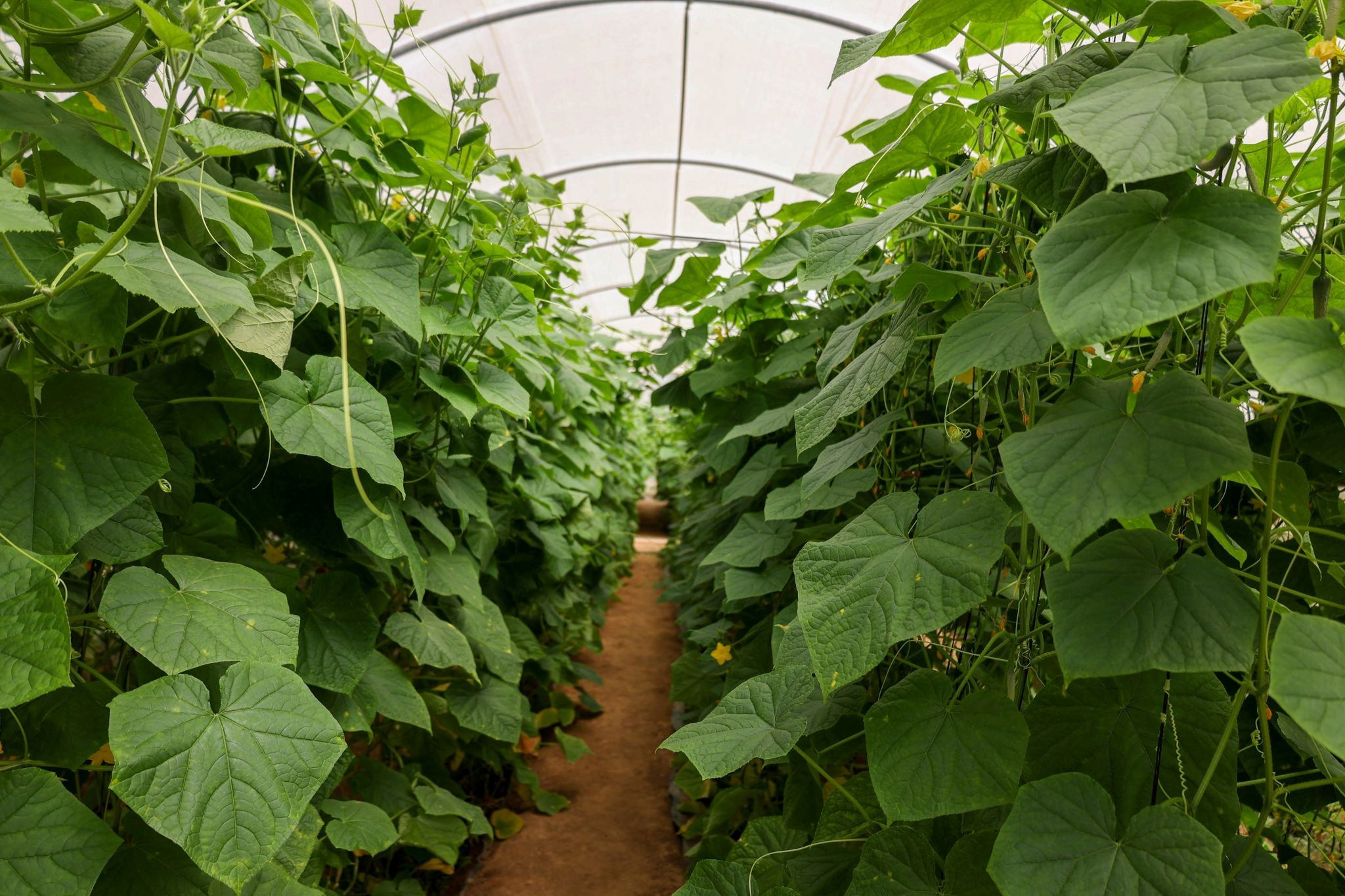
Greenhouse farming has emerged as a key climate-smart agricultural innovation aimed at improving food and nutrition security in the face of climate change.
Driven by efforts to achieve Sustainable Development Goal 2 (Zero Hunger), it is increasingly promoted as a viable alternative to conventional food production systems.
According to a study conducted by the College of Agriculture and Natural Resources, greenhouse vegetable production in Ghana is gaining attention; however, consumer perceptions and purchasing behaviour remain critical to its long-term success.
The study examined how consumers perceive and purchase greenhouse vegetables, highlighting the importance of aligning climate-smart agriculture with market demand to enhance food and nutrition security.
Published in the Journal of International Food and Agribusiness Marketing, the study analysed data from a survey of 400 greenhouse vegetable consumers in Ghana.
The findings revealed that consumers generally perceive greenhouse vegetables as environmentally safe and beneficial to health.
Despite these positive perceptions, affordability emerged as a major concern, with many respondents describing greenhouse vegetables as relatively expensive.
The research lead, Dr. Faizal Adams, recommends the introduction of a national certification and labelling system to differentiate greenhouse vegetables in the market and justify premium pricing.
He also calls on the Ministry of Food and Agriculture (MoFA) to intensify public sensitisation on the benefits of consuming relatively safe greenhouse vegetables.
Safe to eat but hard on the pocket
News
Research
| Published: 19th January 2026
Share


Comments