A 2026 study led by Dr. Kwadwo Boakye Boadu of the College of Agriculture and Natural Resources has found that the type and age of wood used in fish smoking significantly influence contamination levels.
Smoked fish remains a major source of household food security and income for many coastal and inland fishing communities in Ghana.
However, traditional smoking methods may introduce harmful contaminants.
These include polycyclic aromatic hydrocarbons (PAHs), which are formed during the incomplete burning of organic materials such as wood, as well as heavy metals. Both pose potential public health risks.
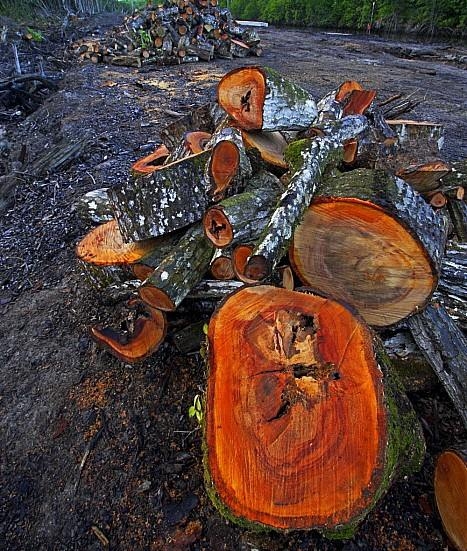
The study examined Atlantic chub mackerel smoked with red mangrove wood aged 8, 11 and 14 years.
The researchers analysed concentrations of PAHs and heavy metals, specifically arsenic, cadmium and lead.
The findings showed that fish smoked with 14-year-old wood recorded higher heavy metal contamination and elevated carcinogenic PAH4 levels.
Although Benzo[a]pyrene (B[a]P), a highly toxic and cancer-causing compound, remained within European Union regulatory limits, the overall PAH4 Index exceeded the recommended safety threshold in fish smoked with the oldest wood.
Cadmium levels in all samples surpassed EU limits. Lead levels in fish smoked with 11- and 14-year-old wood also exceeded acceptable standards, raising further food safety concerns.
The study, published in Scientific African, recommends restricting the use of older wood for fish smoking, adopting indirect smoking methods, and strengthening routine food safety monitoring.
Study warns against use of older red mangrove wood in fish smoking
News
Research
| Published: 24th February 2026
Share


Comments