
Rural communities are often geographically isolated and less connected to essential infrastructure and digital services.
This limited connectivity means that many people in rural areas are unable to fully benefit from the opportunities presented by digitalization, particularly in improving agricultural productivity and livelihoods.
To address this, a study conducted by of the College of Agriculture and Natural Resources investigated the factors that hinder the use of digital technologies in agriculture and examined their effects on the livelihoods of smallholder farmers in rural Ghana.
The study was published in the journal Heliyon and drew on data from 525 smallholder farmers across northern, middle, and southern Ghana.
The findings indicate that farmers’ adoption and intensity of use of agricultural digital technologies are influenced by several socio-demographic and infrastructural factors.
These include educational attainment, access to the internet, perceptions about digitalization, and the availability of reliable electricity, internet cafés, and mobile money services within their communities.
The study found that the overall level of agricultural digitalization remains low. Fewer than half of the farmers surveyed reported using digital technologies in their farming operations.
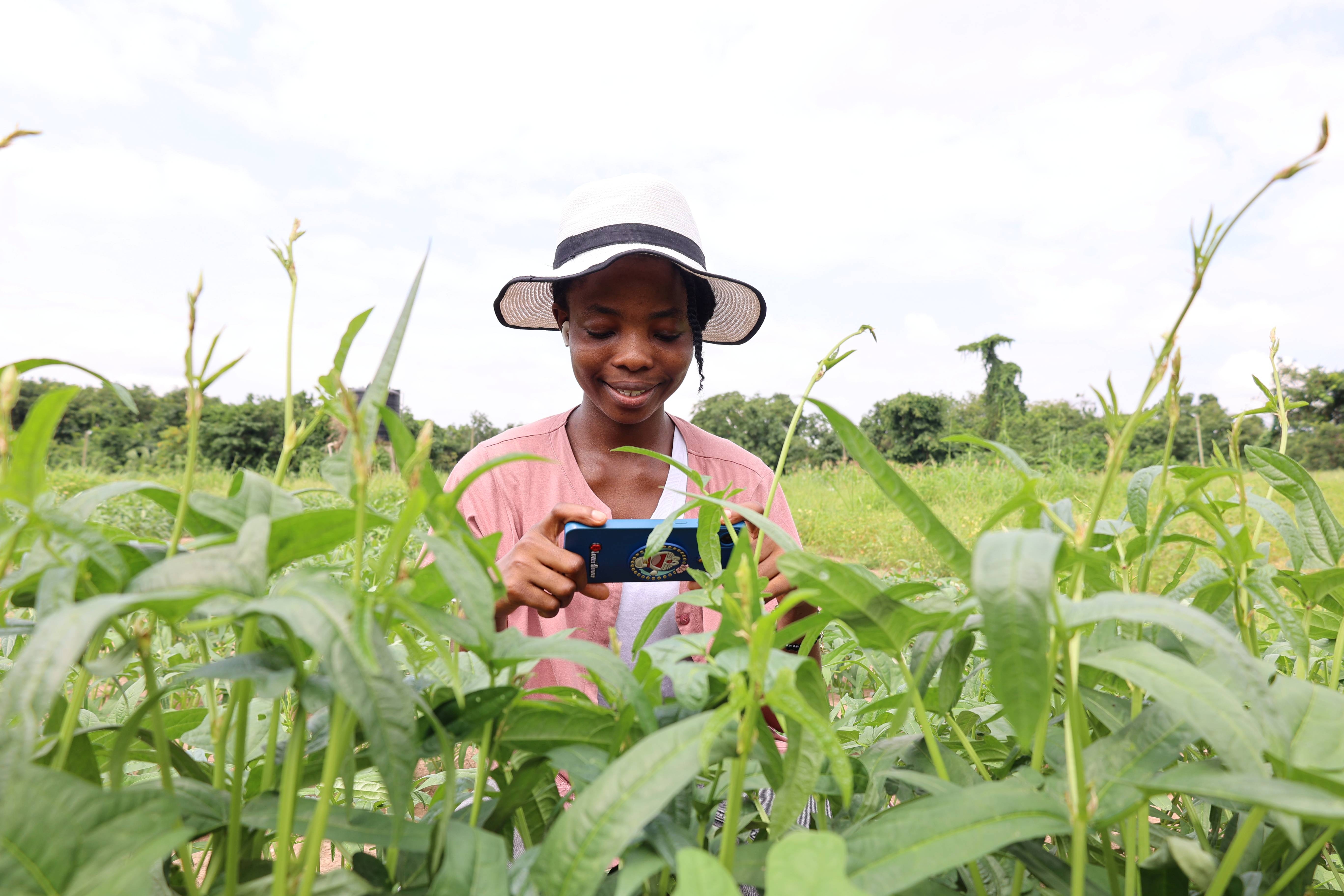
Those who did primarily relied on mobile phones to access extension advisory services and to obtain information on agricultural inputs, market prices, and weather and climate conditions.
Based on these findings, the study recommends that policymakers and agricultural technology firms design inclusive and context-sensitive digital solutions that take into account the socio-demographic characteristics of rural farmers.
The study led by Dr. Mrs. Monica Addison further calls for increased investment in rural digital infrastructure and the integration of digital skills training into rural development initiatives to strengthen farmers’ capacity to effectively adopt and use digital technologies.
Digital access key to boosting agriculture in rural Ghana – CANR Study
News
Research
| Published: 17th February 2026
Share


Comments