
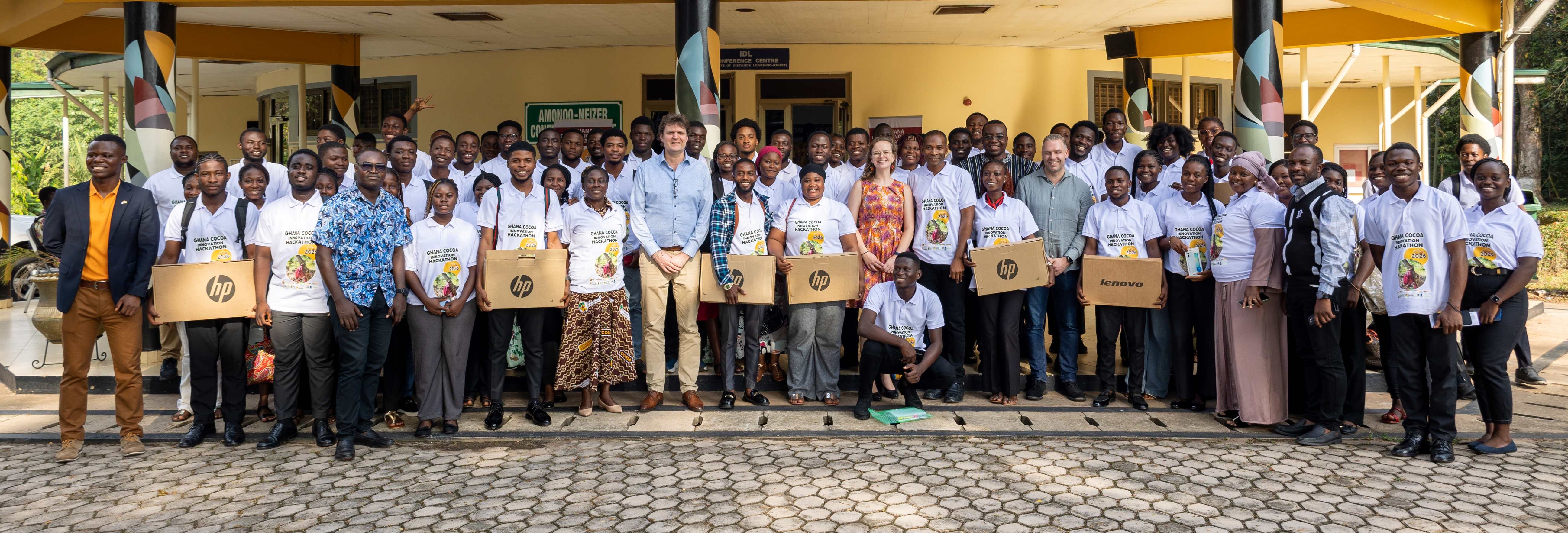
Fourteen (14) students have received laptops after emerging as winners of the Cocoa Innovation Hackathon organised by the Kwame Nkrumah University of Science and Technology (KNUST) in collaboration with Van Hall Larenstein University of Applied Sciences (HVHL), the Netherlands Enterprise Agency, and the Netherlands Embassy in Ghana under the Orange Corners Programme.
Funding for the programme was jointly secured by Dr. Eli Gaveh and Professor Dr. Loes Witteveen, who led and facilitated the KNUST and HVHL events, which occurred concurrently in Ghana and the Netherlands.
The beneficiaries were drawn from KNUST, Kwadaso Agricultural College and Bunso Cocoa College, in what organisers describe as a strategic effort to drive innovation across Ghana’s cocoa value chain.
The hackathon brought together students to develop practical, technology-driven solutions to real challenges facing the cocoa sector, while strengthening collaboration between academia and industry.
Addressing participants, Mike Sips, a representative of the Netherlands Enterprise Agency, urged the students to shift their perspective beyond academic routines and embrace problem-solving.
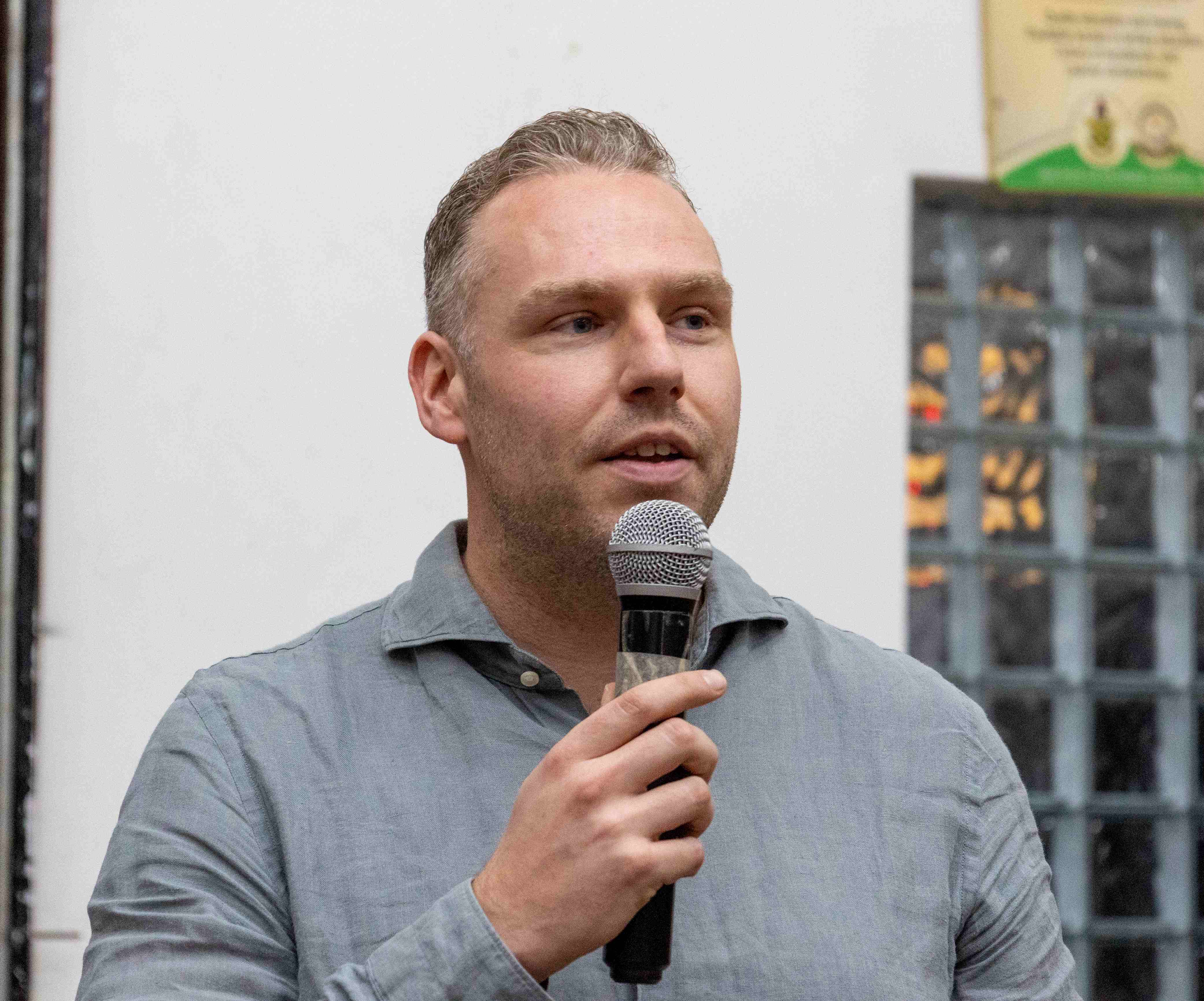
“We really want you to get out of your shell as students and begin to think as innovators. Think about the challenges shared by the companies we have engaged with, challenges that require your talent, your ideas and your imagination to develop new and innovative solutions,” he said.
The hackathon was organised to strengthen collaboration between academia and the private sector while inspiring students to explore entrepreneurship and agribusiness opportunities within the cocoa sector.
The Ambassador of the Kingdom of the Netherlands to Ghana, H.E. Mr. Jeroen Verheul, who joined the event virtually, emphasised the need to attract young people into the cocoa sector.
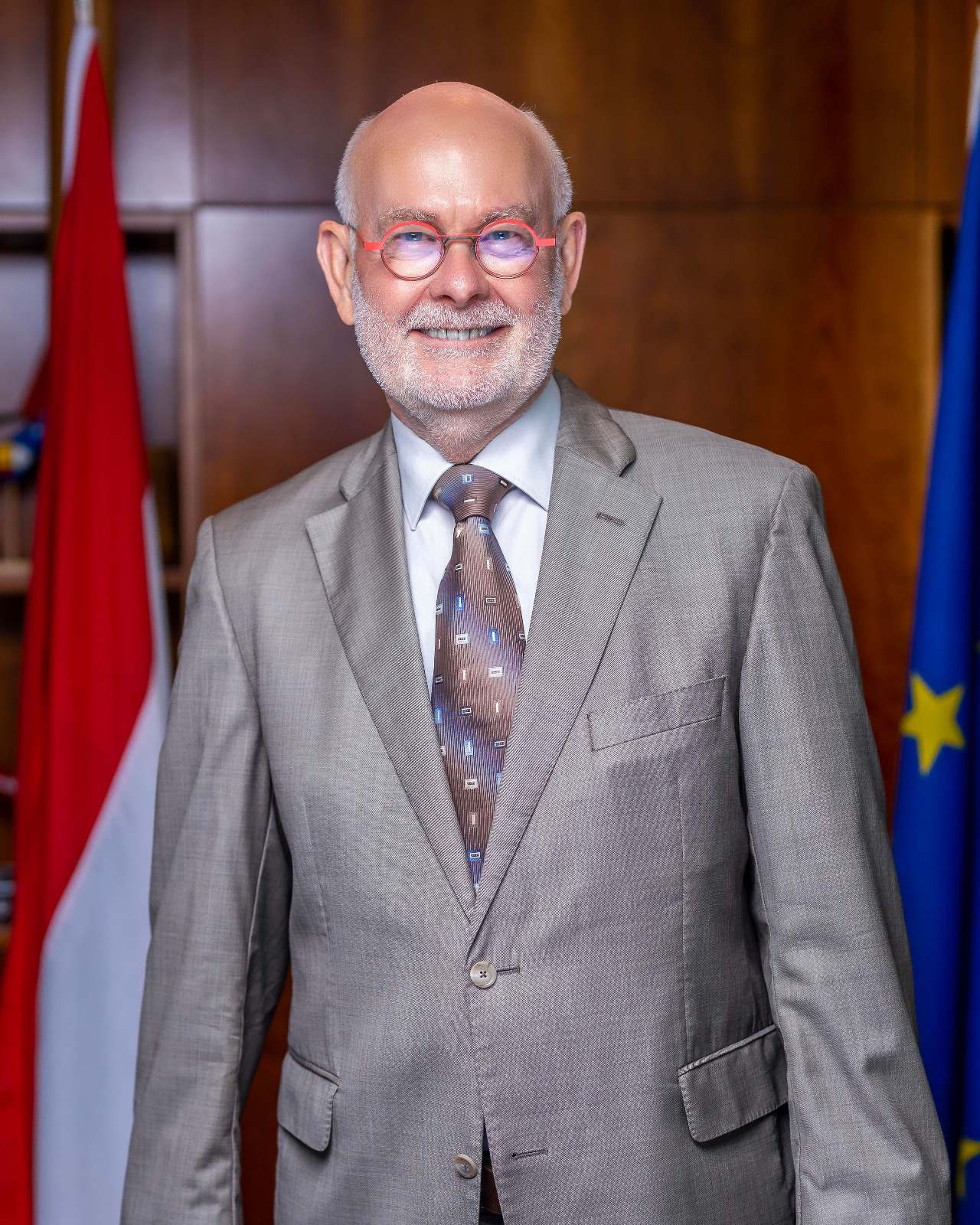
“This hackathon is part of our programme to support the cocoa sector in Ghana. The sector has a long history, but is largely dominated by older farmers. One of the key challenges is how to attract young people into the sector.
Young people providing innovative solutions are highly welcome to help strengthen the cocoa sector. Collaboration between the university, the private sector and the public sector is extremely important,” he noted.
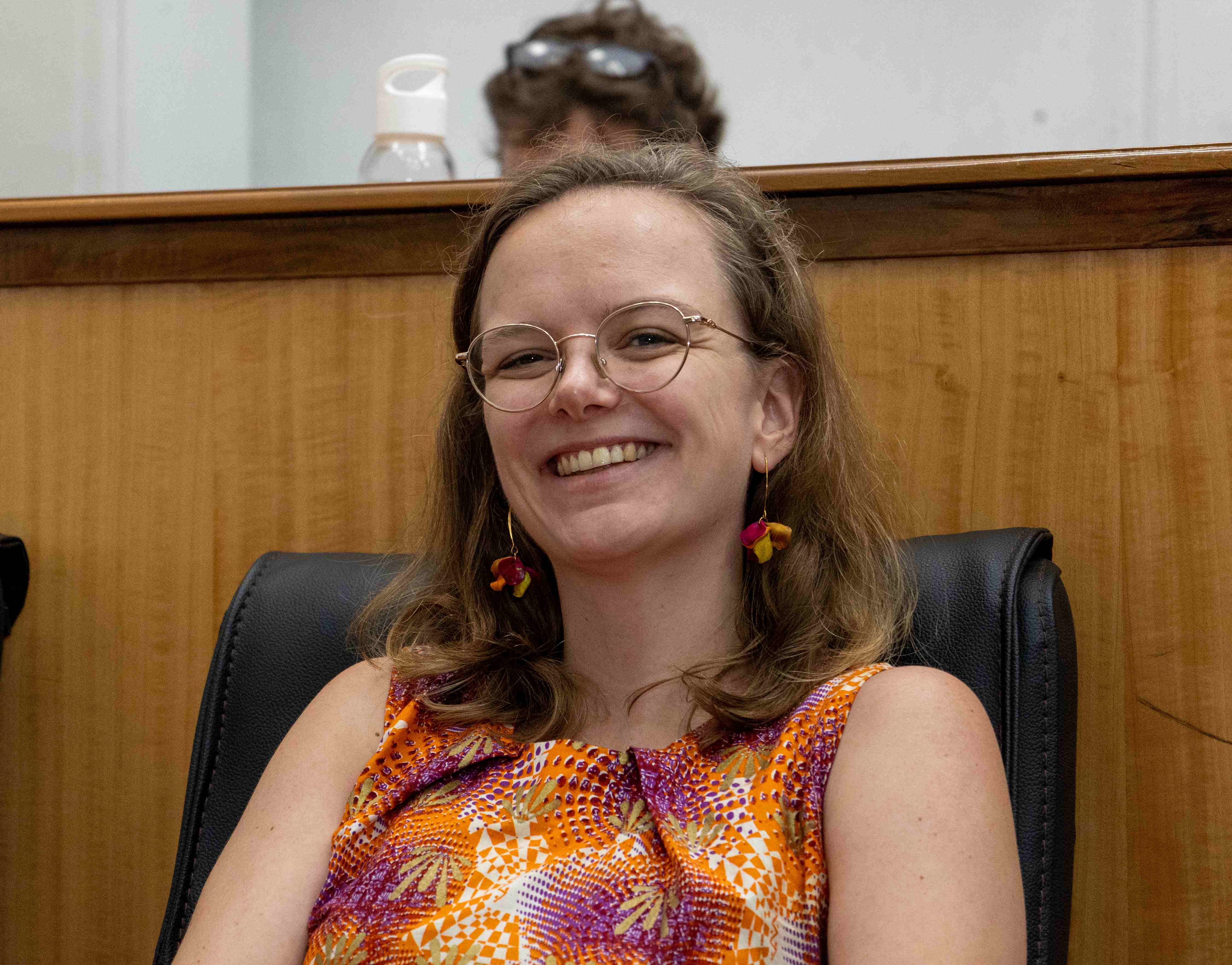
Also speaking at the event, Second Secretary at the Embassy of the Kingdom of the Netherlands to Ghana, Naomi Tuinstra, described the presence of young innovators as a source of hope for the future of agriculture.
“When I look around and see so many young faces, my heart is filled with hope. Young people represent new energy, new ideas and new solutions. Farming today is no longer just about cultivation; it is about developing new products, embracing digitalisation and even using AI to monitor farms. Agriculture does not have to be boring anymore,” she added.
The Provost of the College of Agriculture and Natural Resources at KNUST, Prof. Dadson Awunyo-Vitor, challenged students to see innovation as essential for survival.
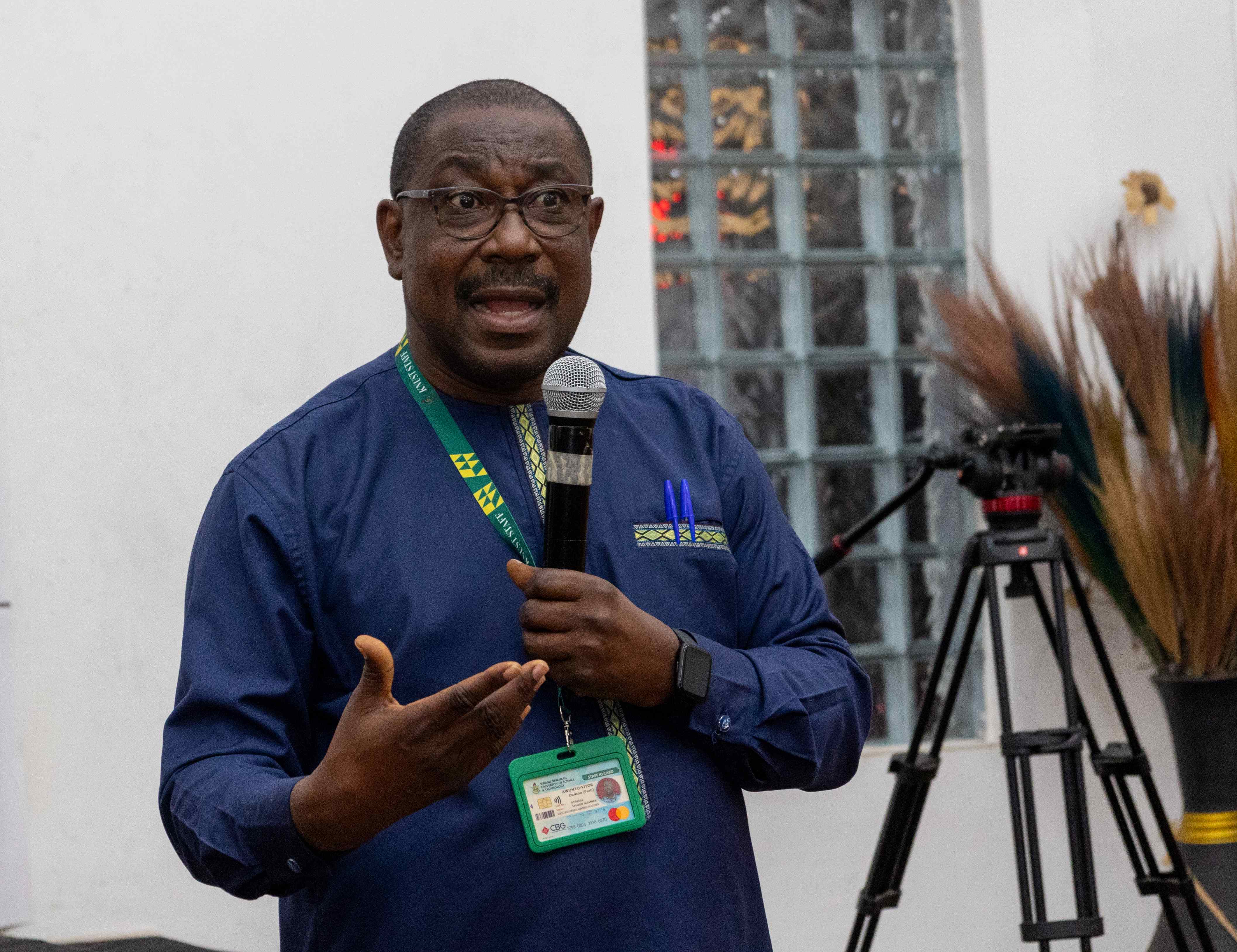
“If we cease to innovate, we risk extinction. As young academics and students, you must think outside the box. Your innovation should solve real problems within your communities. I am grateful to the Embassy and our partners for organising this initiative, and I believe it is something we will continue to participate in regularly,” he said.
Beyond the laptops presented to the overall winners and second runners-up, each student who placed third received a Samsung phone.
Participants, drawn from disciplines including Computer Science, Media and Communication Studies, and Business, said the hackathon expanded their understanding of agribusiness and exposed them to real industry challenges.
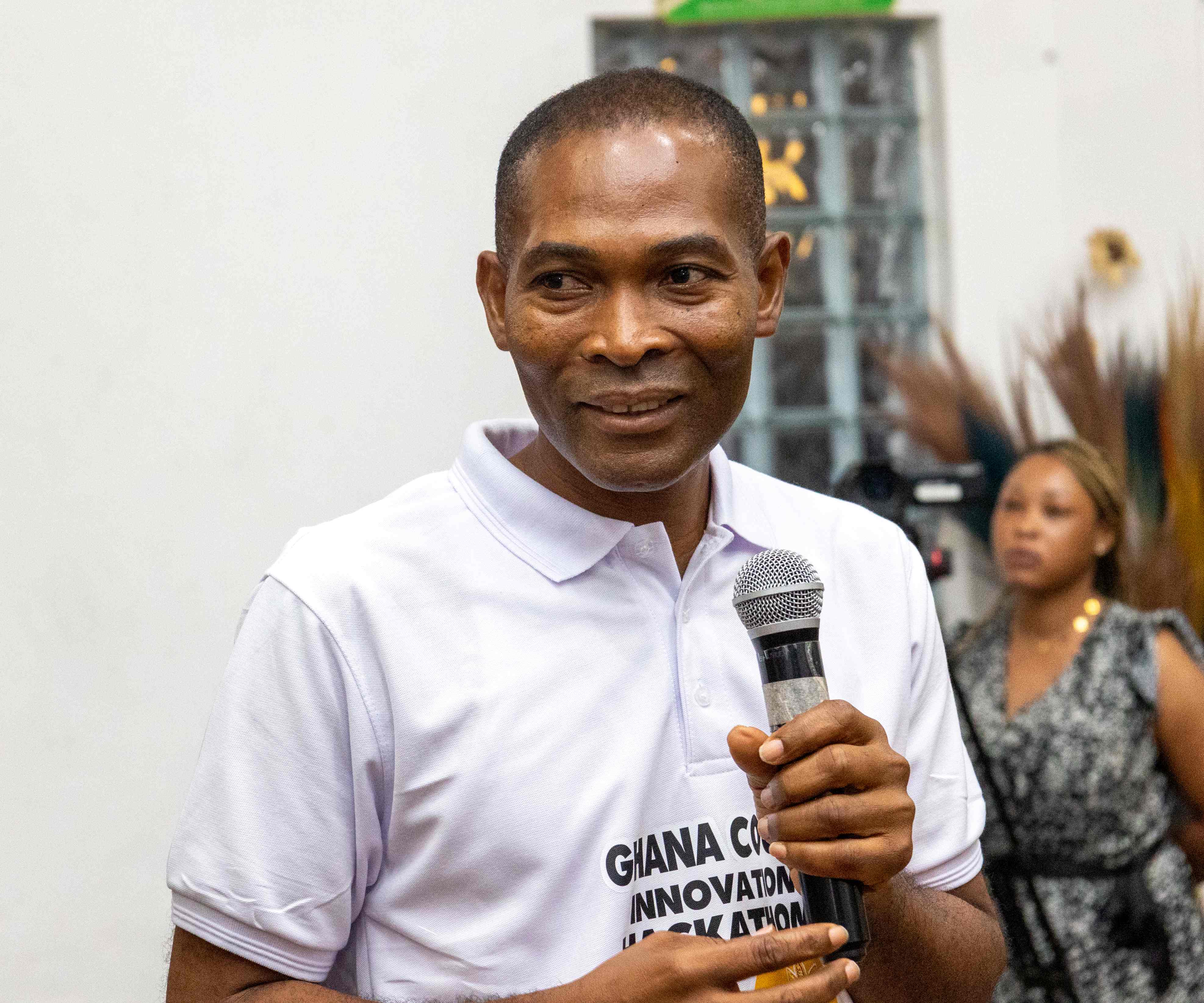
Dr. Eli Gaveh, who led the Ghana team, commended the students for their creativity and teamwork, noting that the quality of ideas presented demonstrates the strong potential of young innovators to transform Ghana’s cocoa sector.


Comments